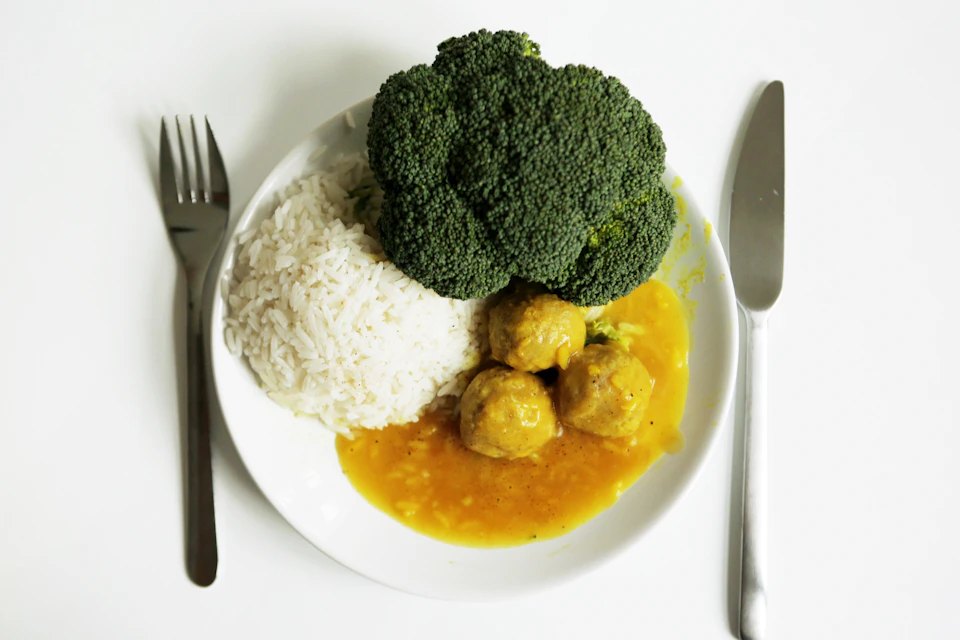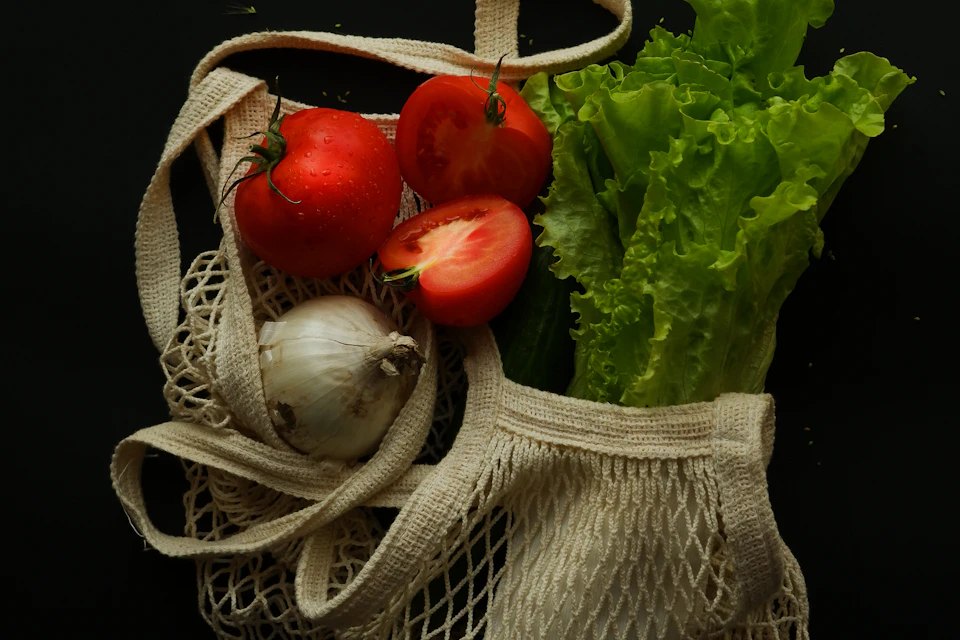
Many people believe healthy eating costs more, but with a little planning, nutritious meals can be both affordable and delicious. Simple shopping and cooking habits make a big difference.
Plan before you shop
Plan a few meals for the week and write a shopping list. Check what you already have at home, and stick to your list to avoid impulse buys.
Smart, budget-friendly choices
- Beans, lentils and eggs are inexpensive, versatile sources of protein.
- Frozen fruits and vegetables are nutritious, last longer and reduce waste.
- Whole grains like oats, brown rice and pasta are filling and economical when bought in larger packs.
- Seasonal produce is often fresher and better value.
Cooking at home, even simply, is one of the best ways to eat well and save money.
Cook once, eat twice
Make larger batches of soups, stews and casseroles, then enjoy leftovers for lunch or freeze portions for busy days.
Waste less
Store food properly, use older produce first and turn leftovers into new meals, such as vegetable frittatas, soups or stir-fries.
Small changes add up
You don't need to change everything at once. Start with one or two money-saving habits and build from there.
This article is for general education only. Please seek personalized advice for specific dietary needs.